Curriculum Overview

A curriculum designed for how children grow

A curriculum designed for how children grow
Overview

A curriculum designed for how children grow

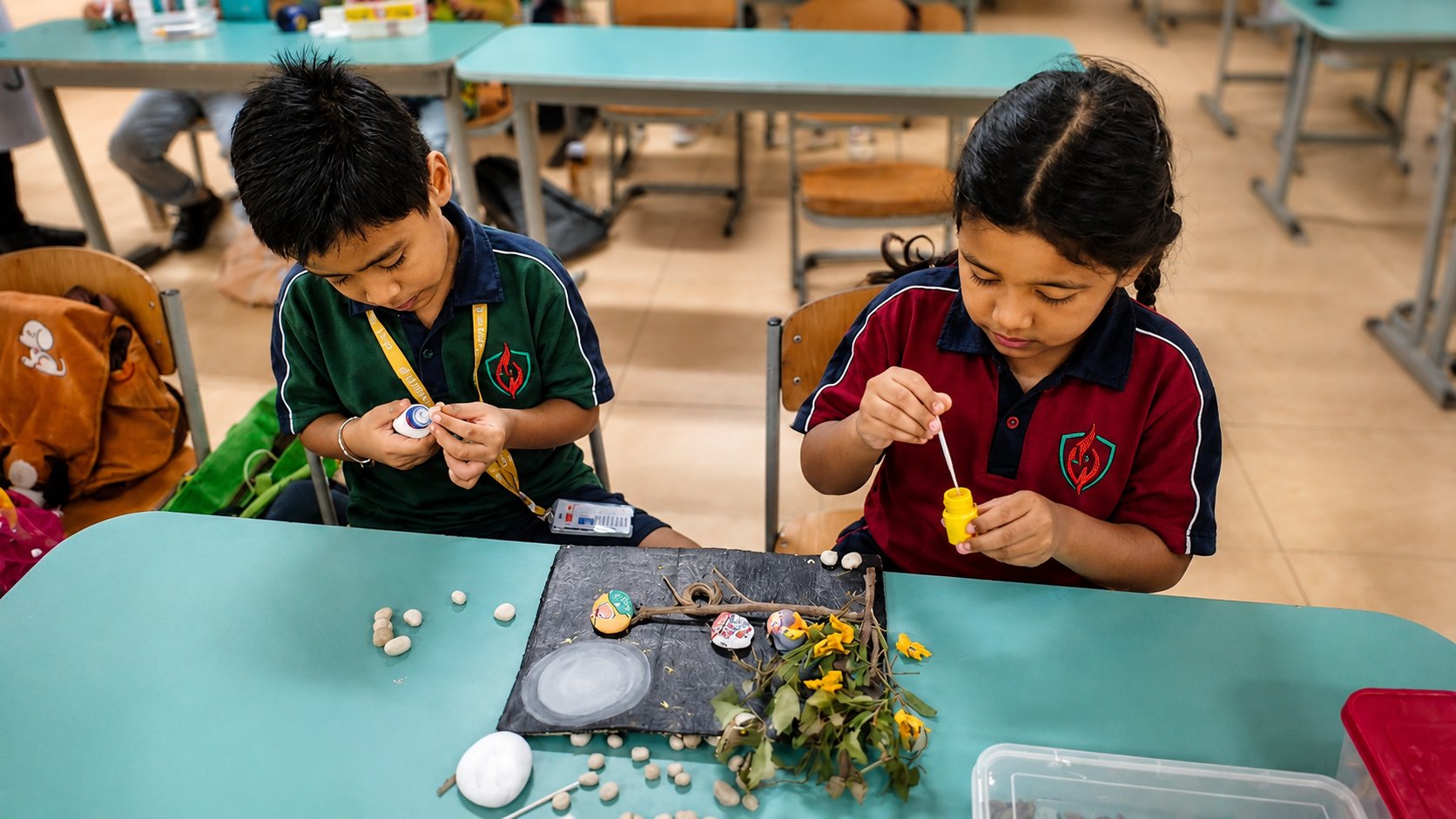
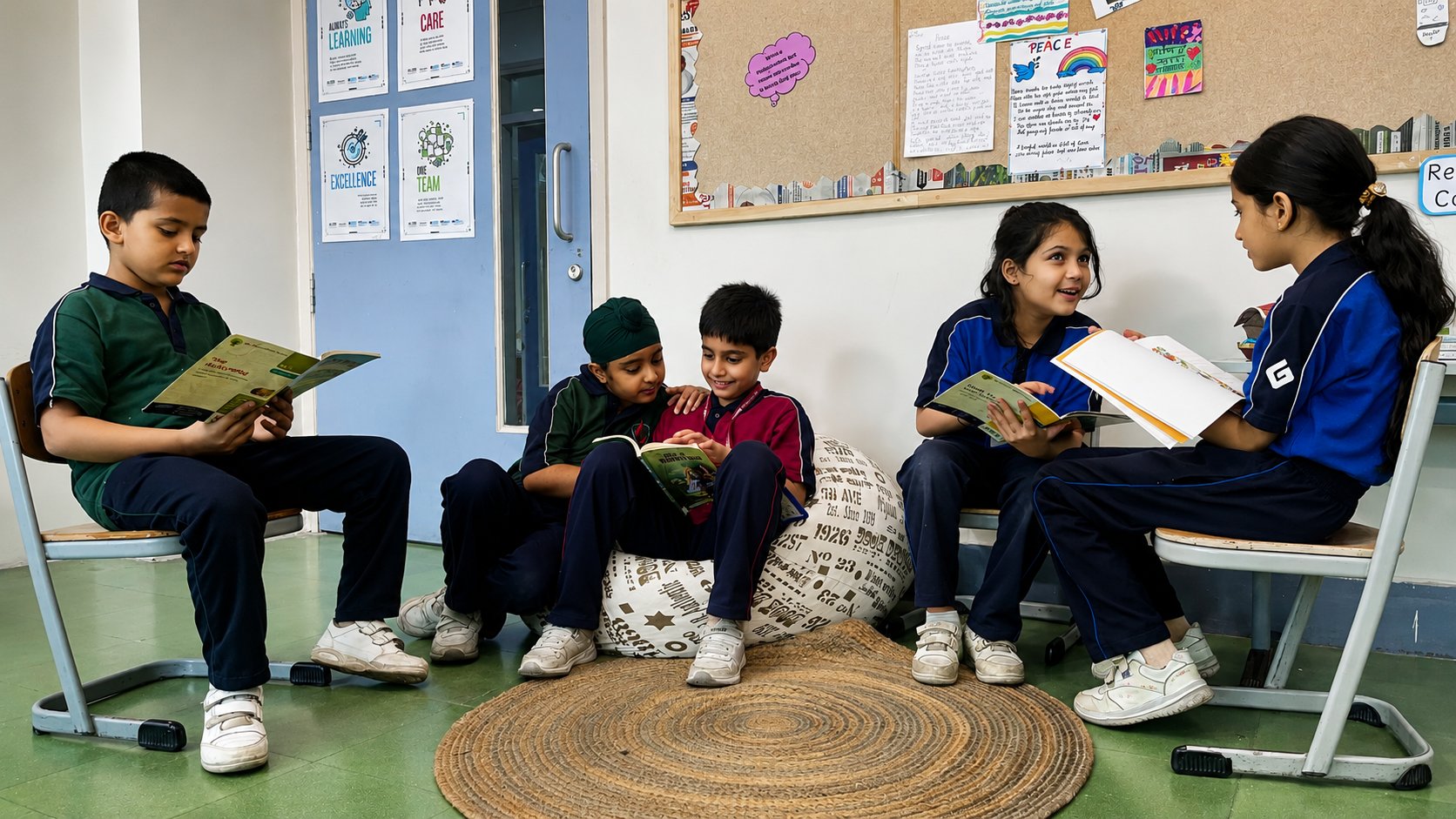
At GEMS Millennium School, Raipur, the CBSE curriculum builds strong academic foundations while developing curiosity, communication, collaboration and confidence. Learning connects subjects with enquiry, practical experiences, creativity, technology and real life application. Across every stage, facilitators respond to individual learning needs and help children grow as thoughtful, capable and independent learners.

Kindergarten

The years of wonder

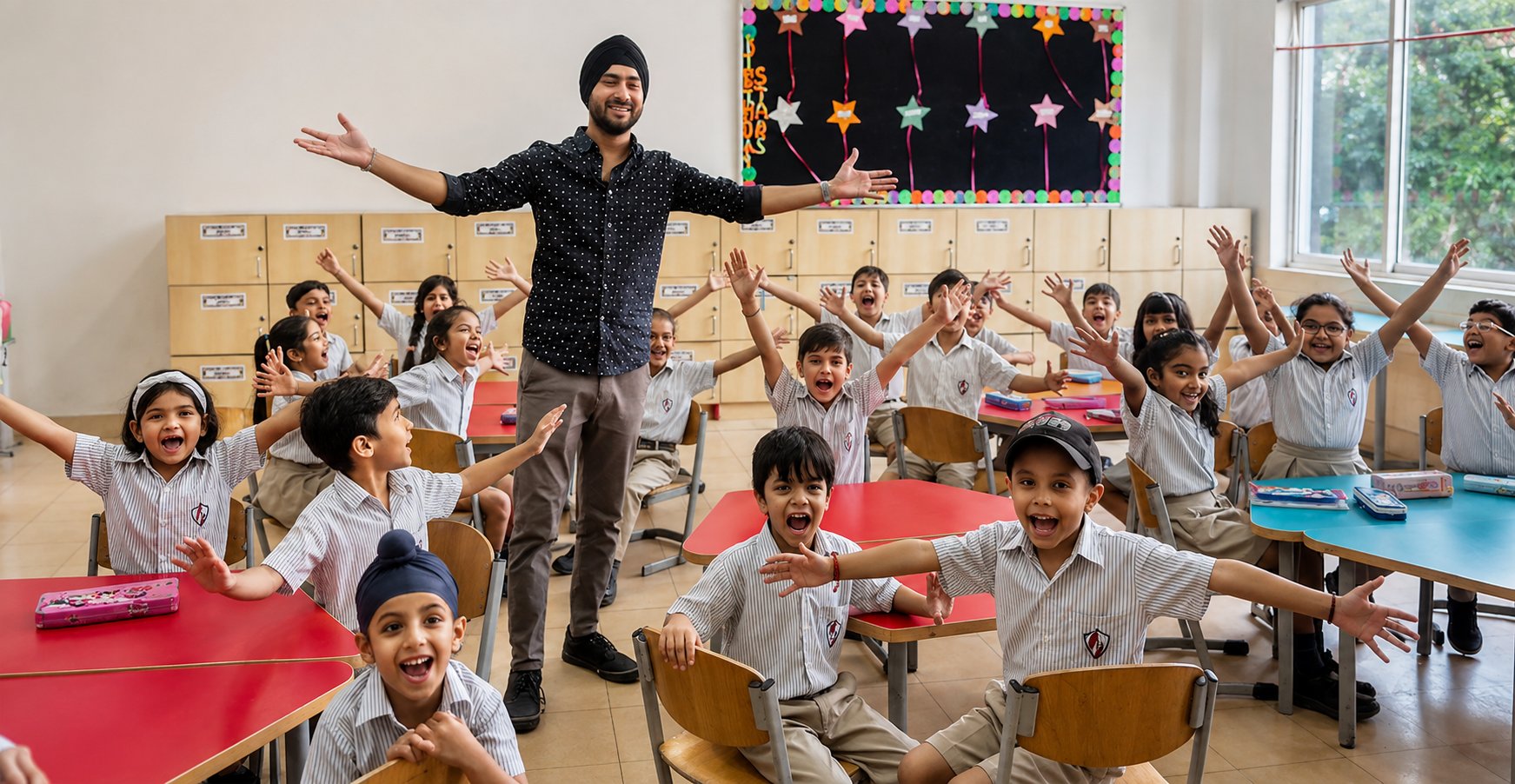
In the Early Years, children learn through play, movement, relationships and exploration. The Little GEMS Curriculum develops communication, literacy, mathematics, physical development, creativity and emotional well-being through connected experiences. Influenced by Montessori and Reggio Emilia principles, the programme encourages independence, imagination and joyful discovery.

The years of wonder
The years of foundation
Primary School

The years of foundation

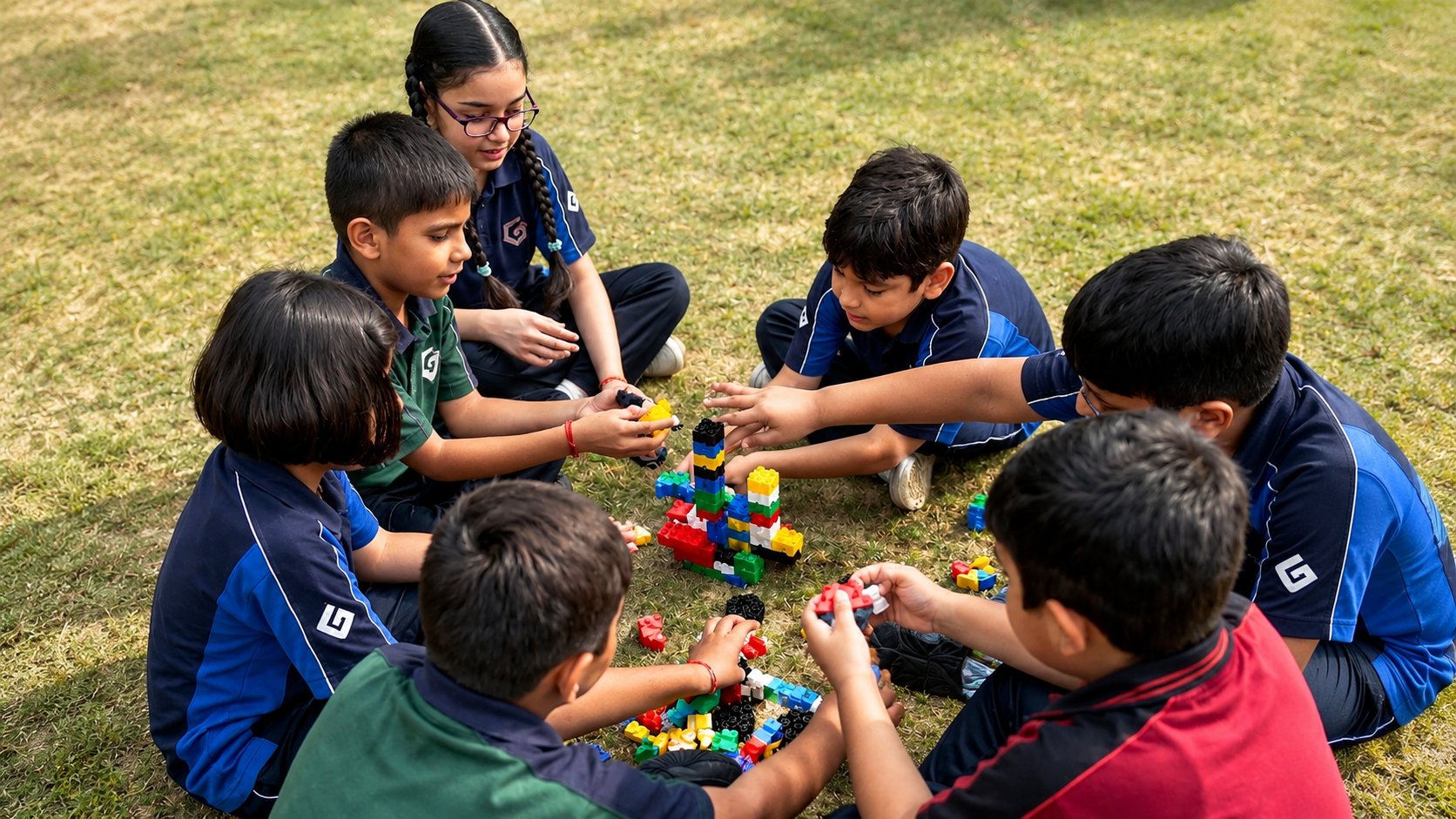
The Primary Years strengthen foundations in language, mathematics, science and social understanding. Learners read, investigate, discuss, create and apply concepts through hands-on and collaborative experiences. As their confidence grows, they begin to reflect on their progress, explain their thinking and take greater responsibility for learning.

  1. 01Language and literacy across reading, writing and discussion
  2. 02Mathematics through concrete materials and real problems
  3. 03Science and social understanding through investigation
  4. 04Collaborative and hands-on project work
  5. 05Reflection on progress and growing self-direction
The years of discovery
Middle School

The years of discovery

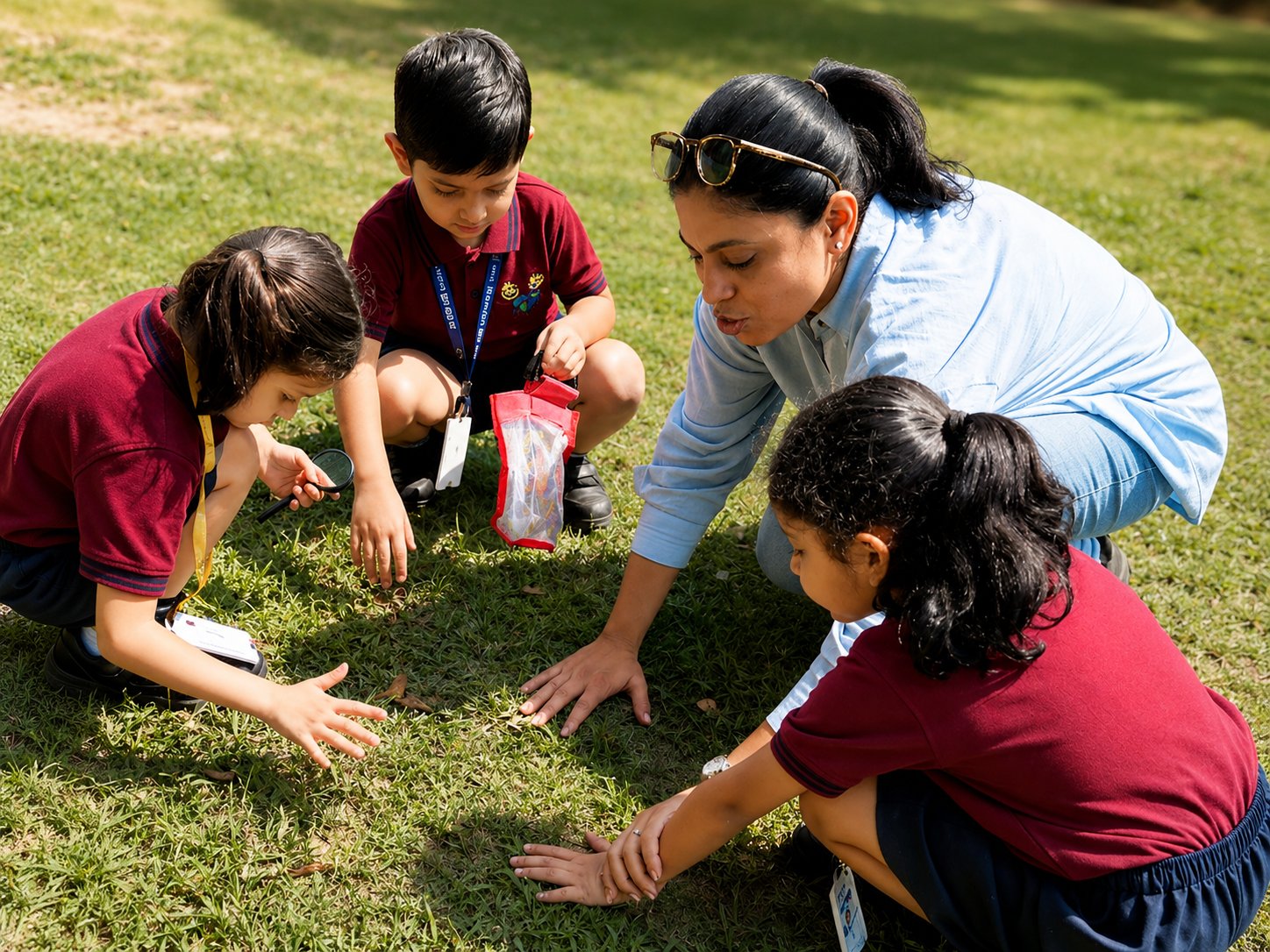
In the Middle Years, learners begin to question more deeply, evaluate evidence and apply knowledge in unfamiliar situations. Practical science, mathematics, STREAM, robotics, Artificial Intelligence and Design Thinking strengthen problem-solving and critical thinking. These years also support growing independence, learner voice, well-being and a stronger sense of personal responsibility.

  • ›Practical science and applied mathematics
  • ›STREAM, robotics and Artificial Intelligence
  • ›Design Thinking and the design cycle
  • ›Learner voice, independence and responsibility
Beyond the Curriculum

Learning beyond books and boundaries

A child arrives in the world already curious, already competent, already building meaning from everything she touches. Our curriculum begins there. Panchakosha Vikas reminds us that a human being is five layers at once: body, breath, feeling, intellect and spirit — and Gardner's five minds point the same way: a disciplined mind, a synthesising mind, a creating mind, a respectful mind and an ethical mind. These live not on a timetable but in everything we do.

  • ›Creative intelligence, to imagine and to make
  • ›Critical intelligence, to question, weigh and reason with clarity
  • ›Social intelligence, to collaborate, to lead, to learn through others
  • ›Emotional intelligence, to understand one's own heart and honour another's
  • ›Reflective intelligence, to learn from one's own learning
Learning beyond books and boundaries
Student Care and Support

Care, well-being and inclusion

At GEMS Millennium School, Raipur, student care is not separate from learning. It is what makes learning possible.

A child may find it difficult to concentrate because something emotional, social or personal is getting in the way. Another may need additional academic support, a different way into a concept or greater challenge.

Our approach begins by understanding the learner as a whole person. Home Room Facilitators, subject facilitators, counsellors, learning support professionals and families work together to notice concerns and respond thoughtfully.

In the classroom, differentiated approaches help learners participate meaningfully. These may include practical or visual materials, additional time, smaller learning steps, alternative ways of showing understanding or advanced challenge where appropriate.

Counselling and well-being support help learners recognise emotions, manage pressure, navigate relationships and ask for help without shame. Where a learner has an identified need, individualised learning or accommodation plans may be developed in partnership with families and relevant specialists.

Student care also includes physical well-being and safety. The campus provides a Counselling Room, Children with Special Needs Room and a Medical Room with nursing and recovery facilities. Ramps, lifts and accessible toilets support participation across the campus.

  1. 01Home Room Facilitator support
  2. 02Academic interventions and enrichment
  3. 03Counselling and emotional well-being support
  4. 04Social-Emotional Learning Curriculum
  5. 05Learning support services
  6. 06Individualised plans where required (IBPs / IEPs / IAPs)
  7. 07Family and specialist collaboration
  8. 08Support for additional needs
  9. 09Proactive measures for care, mental health and well-being
  10. 10Medical care and accessible infrastructure

Care is not a service we provide at GEMS. It is who we are.

Every child should be able to say: I am seen here. I can ask for help here. One difficult moment does not define me.

The purpose is not to remove every difficulty from a child's path, but to make sure no learner meets difficulty without support, language or a way forward.

To be seen. To be heard. This is where flourishing begins.
Coming soon

Academic Calendar

The academic year runs from April 2027 to March 2028. Term dates and holidays will be published once approved.

Events and Competitions

Events and opportunities

Events and competitions give learners the chance to apply their abilities beyond familiar classroom settings. A debate requires research, evidence and careful listening. A sporting event demands practice, teamwork and composure. A robotics challenge asks a team to test, revise and improve. Participation is age-appropriate and guided by learner readiness, and growth does not always arrive with a medal.

  1. 01Literature Festivals and Author Talks
  2. 02Ecometrics, economic debate, research and discussion
  3. 03TED-Ed Club and TEDx events
  4. 04Mathmania, the mathematics festival
  5. 05Chrysalis, a festival of Early Childhood Care and Education
  6. 06Debates, declamations and public speaking
  7. 07STREAM Festival, Theatre Festivals and Natya Gram
  8. 08GEMS Business Fair and Art Expo
  9. 09Robotics and innovation challenges
  10. 10Sports leagues, Ikigai and Leadership Leagues
  11. 11Sustainability and community initiatives